Franciscan Itinerary in Gubbio
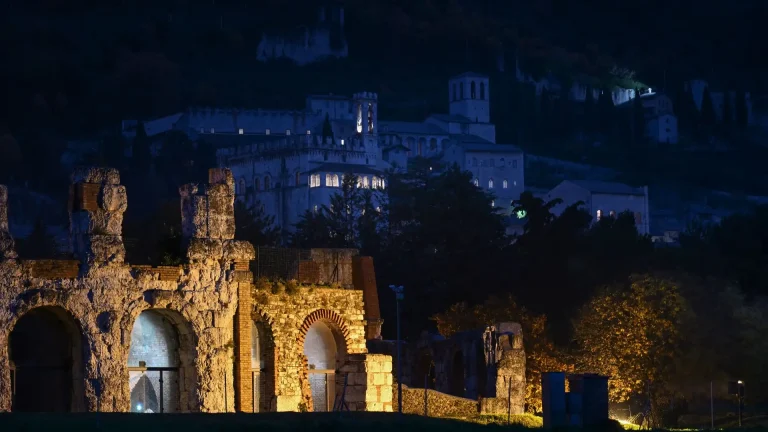
Gubbio: A Journey Through Franciscan History
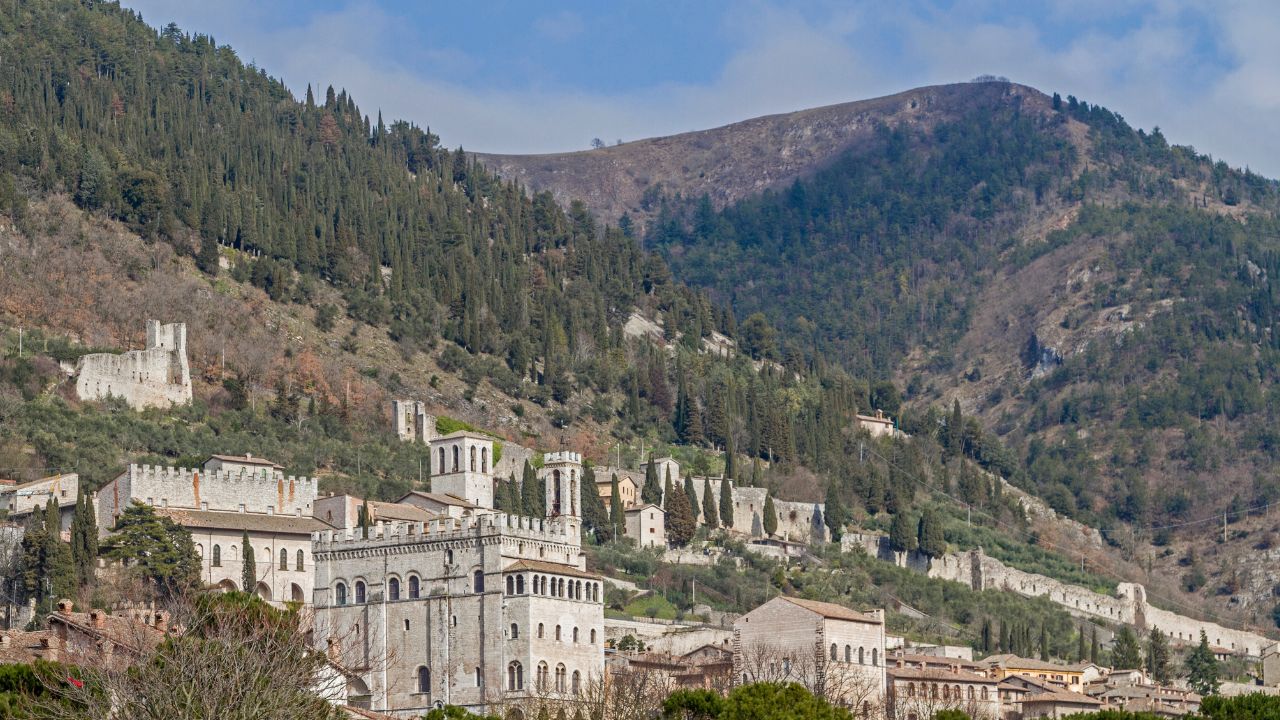
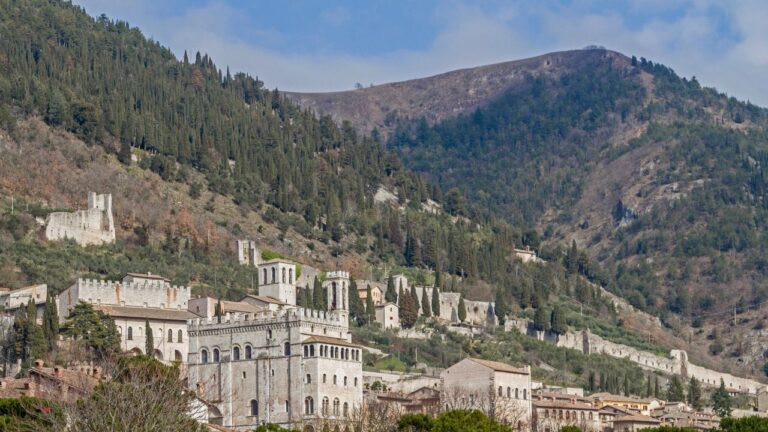
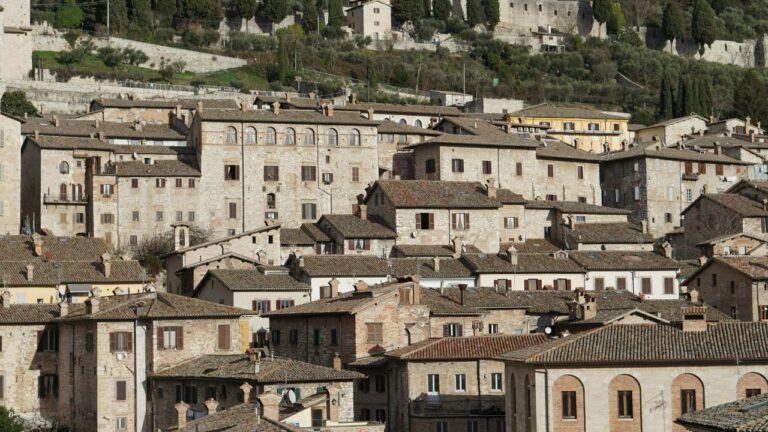
Among Umbria’s most captivating medieval villages, Gubbio holds a special bond with the life of Saint Francis of Assisi. Even before the Franciscan movement was born, a young Francis found refuge here after leaving Assisi, welcomed by friends who supported him during the first steps of his new path.
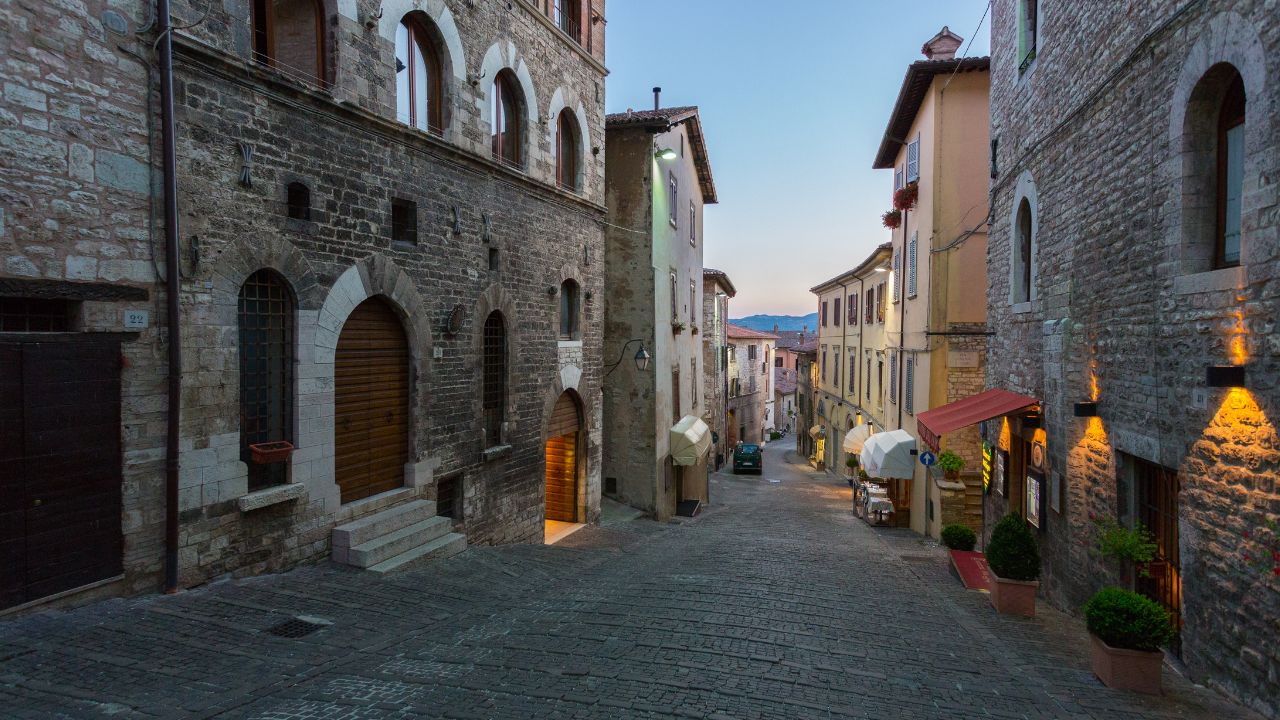
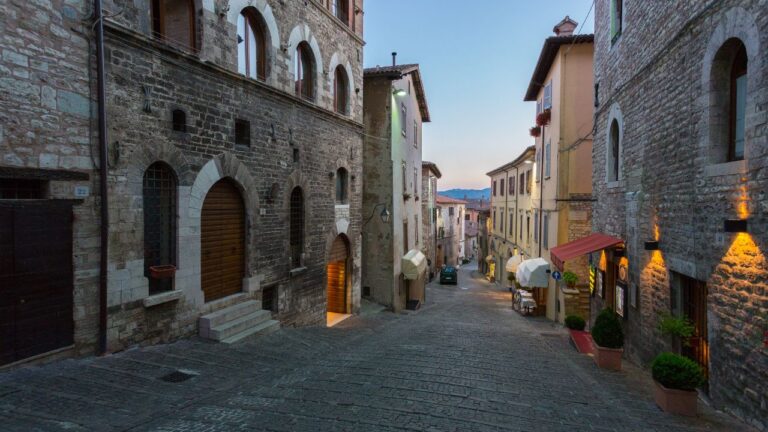
Today, the city recounts this chapter of his life through churches, symbolic landmarks, and monumental squares. This itinerary crosses some of the most significant points of Gubbio’s historic center and outskirts, weaving together spirituality, art, and history.
1. Santa Maria della Vittorina and the Story of the Wolf
The first stop is the Church of Santa Maria della Vittorina, located just outside the town center.
According to tradition, this is where Francis encountered the famous Wolf of Gubbio, a creature that had been terrorizing the local population. The Saint managed to establish a dialogue with the animal, reconciling the wolf with the townspeople. This episode has become one of the most renowned tales of Franciscan tradition, symbolically representing the harmony between humanity and nature.
Next to the church, a statue commemorating this meeting remains a favorite spot for visitors.
2. San Francesco della Pace
A short distance away lies San Francesco della Pace, a small sanctuary deeply tied to the memory of the encounter.
The church stands on the site where, according to legend, the wolf lived peacefully among the citizens after the reconciliation. The very name of the church evokes a core value of the Franciscan message: peace as an encounter, dialogue, and the overcoming of fear.
Church of St Francis
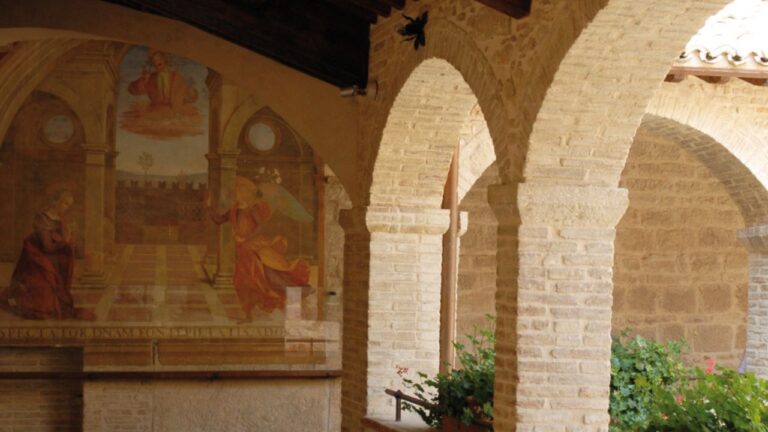
Entering the heart of the historic center, you will find the Church of San Francesco, built in the 13th century.
The church is situated where the home of the family that took Francis in during his stay in Gubbio once stood. This period represents one of the most delicate moments of his life—the time when his choice of poverty and dedication to the Gospel began to take shape.
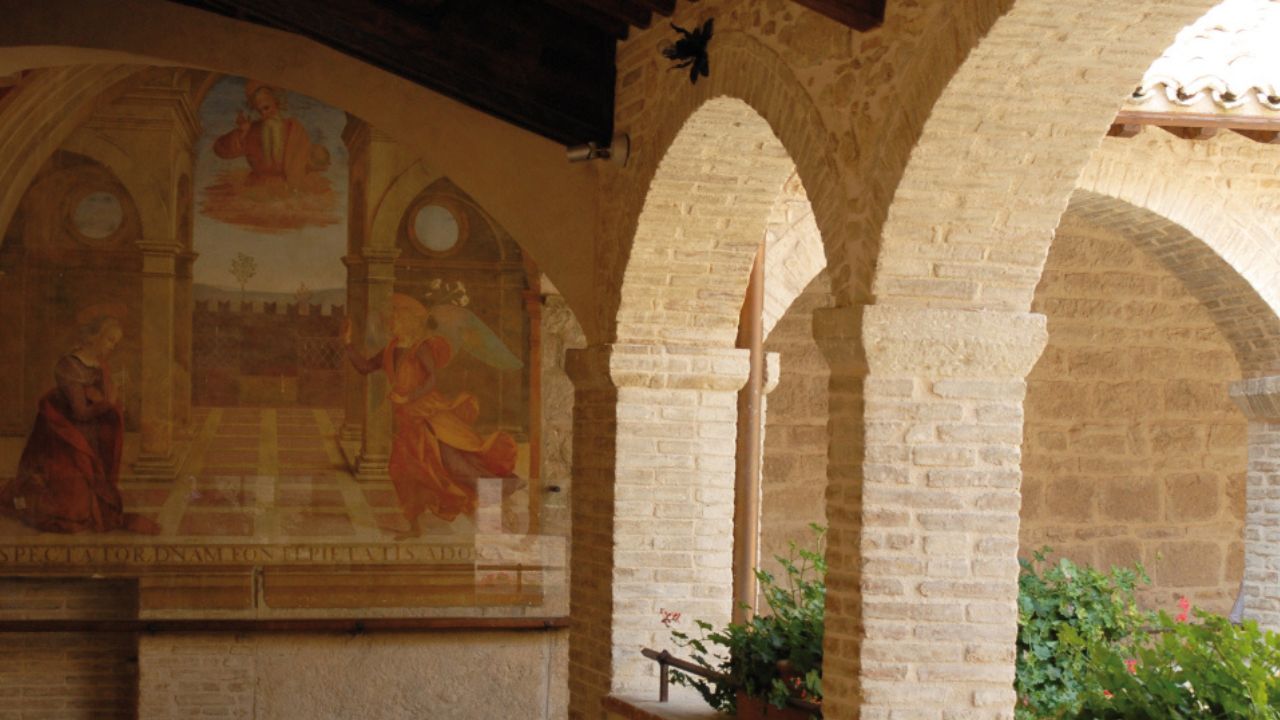
With its sober and elegant Gothic architecture, the building houses precious artworks and testimonies of the city’s profound Franciscan devotion.
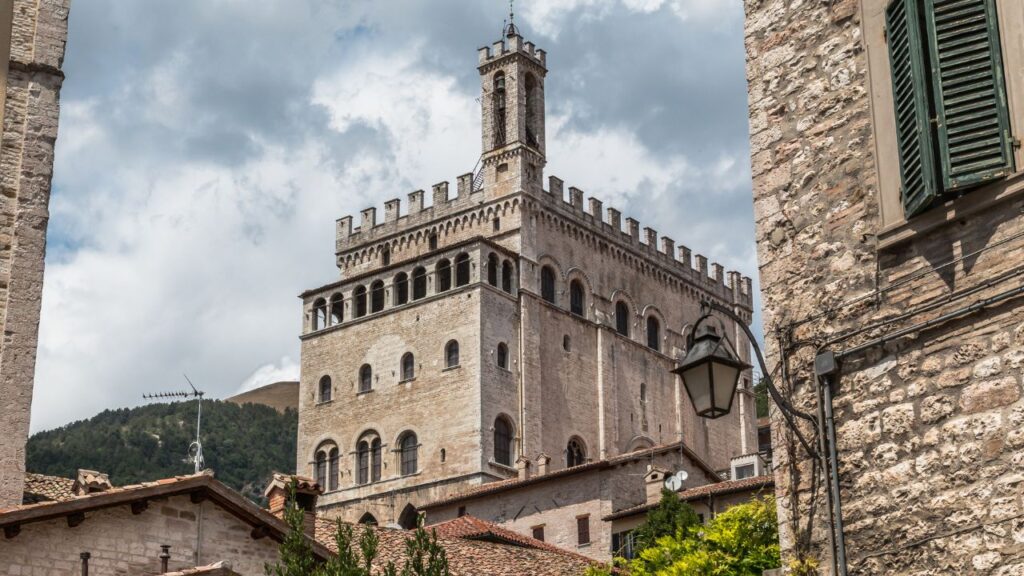
4. Piazza dei Consoli: The Medieval Heart of Gubbio
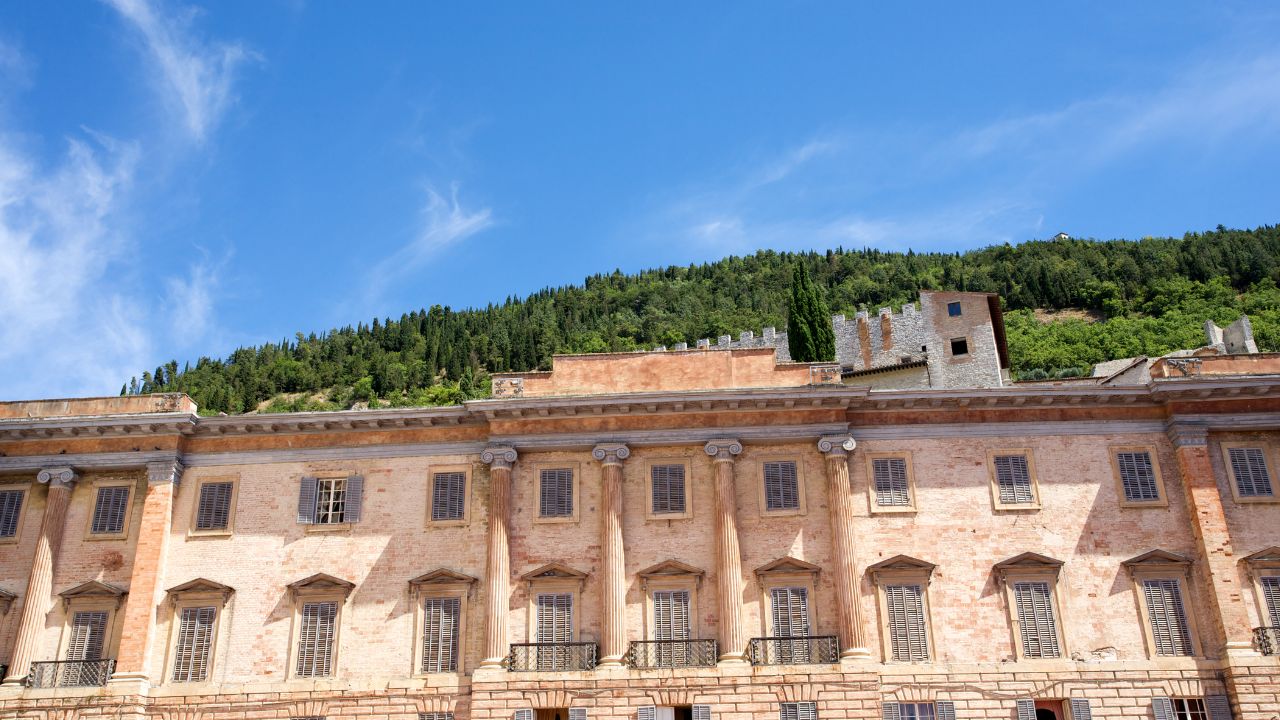
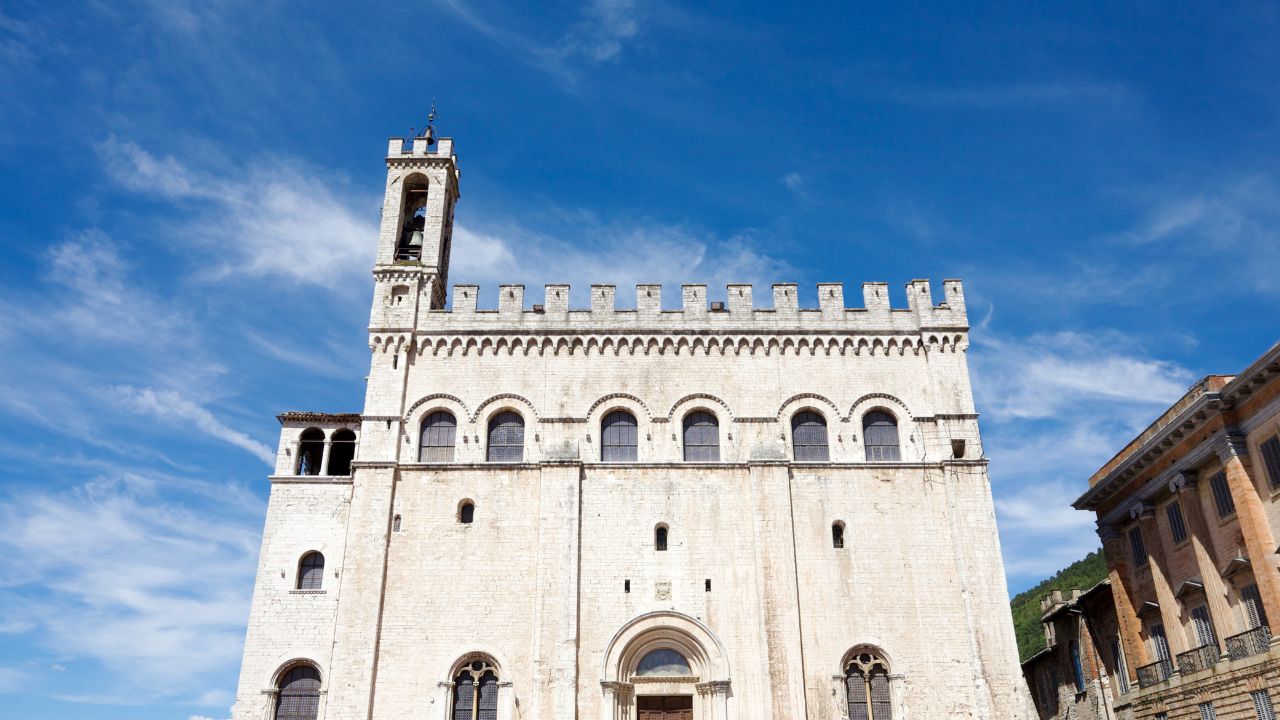
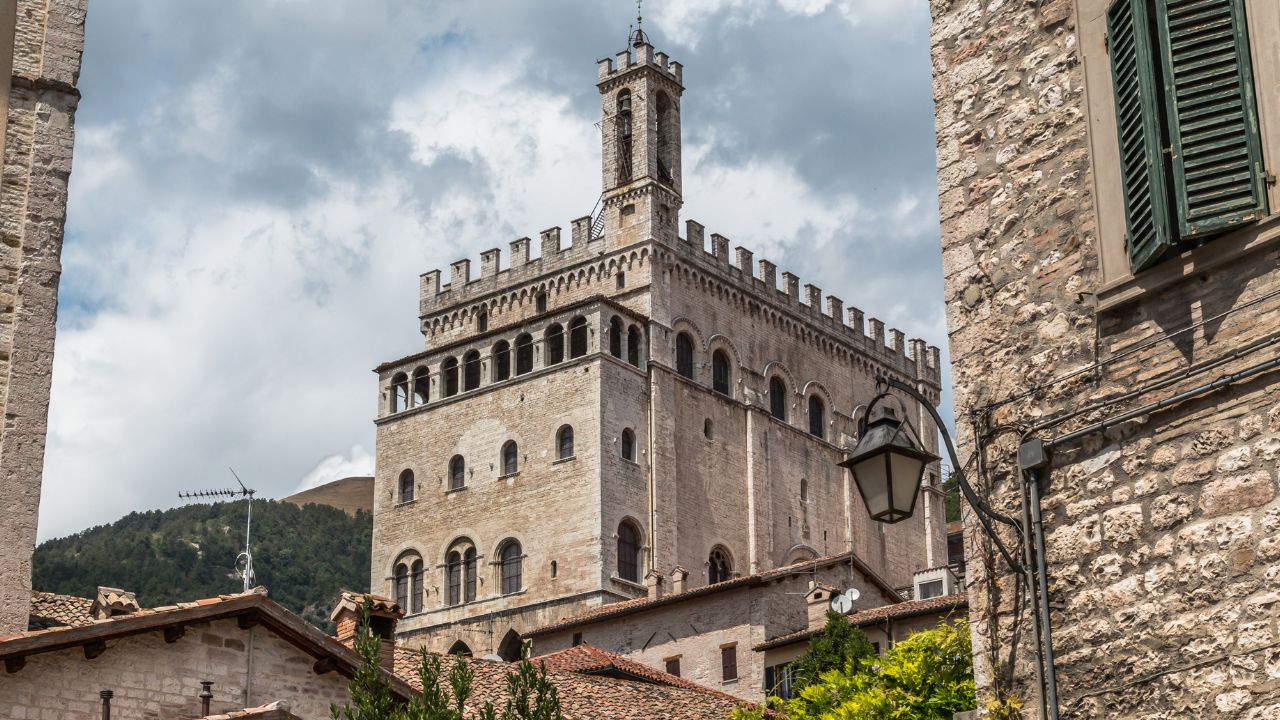
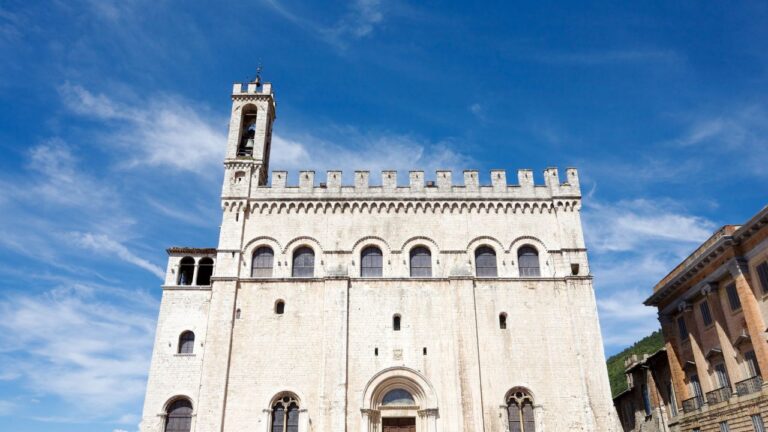
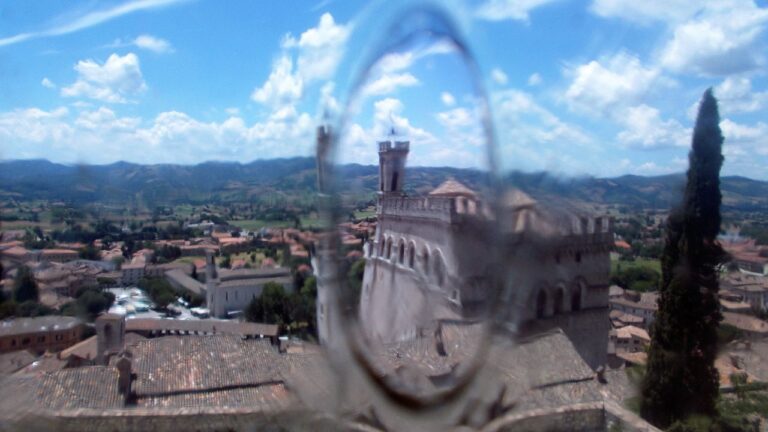
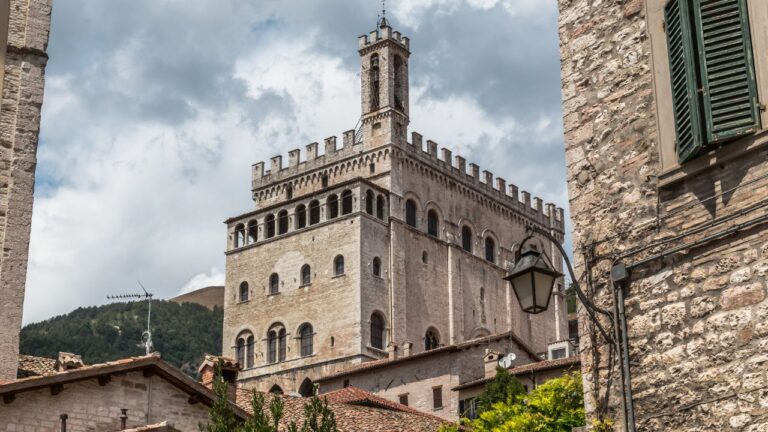
The itinerary concludes in the monumental Piazza dei Consoli, one of Italy’s most spectacular medieval urban spaces.
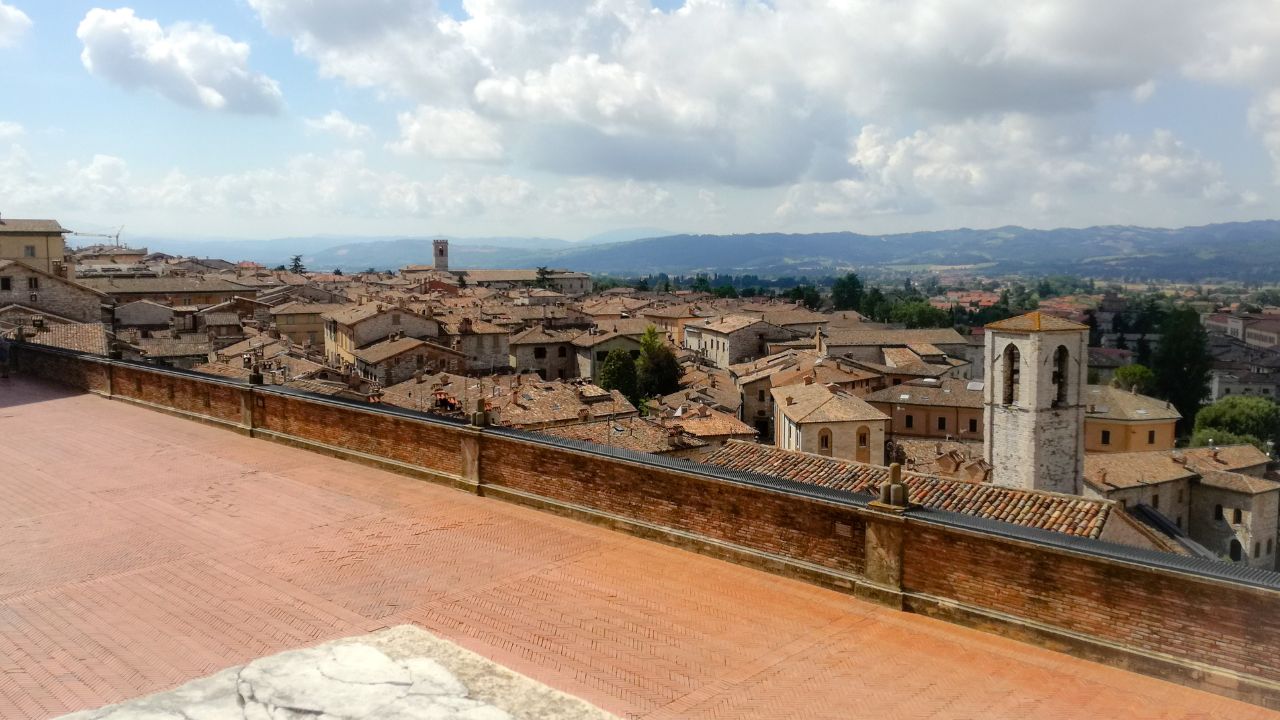
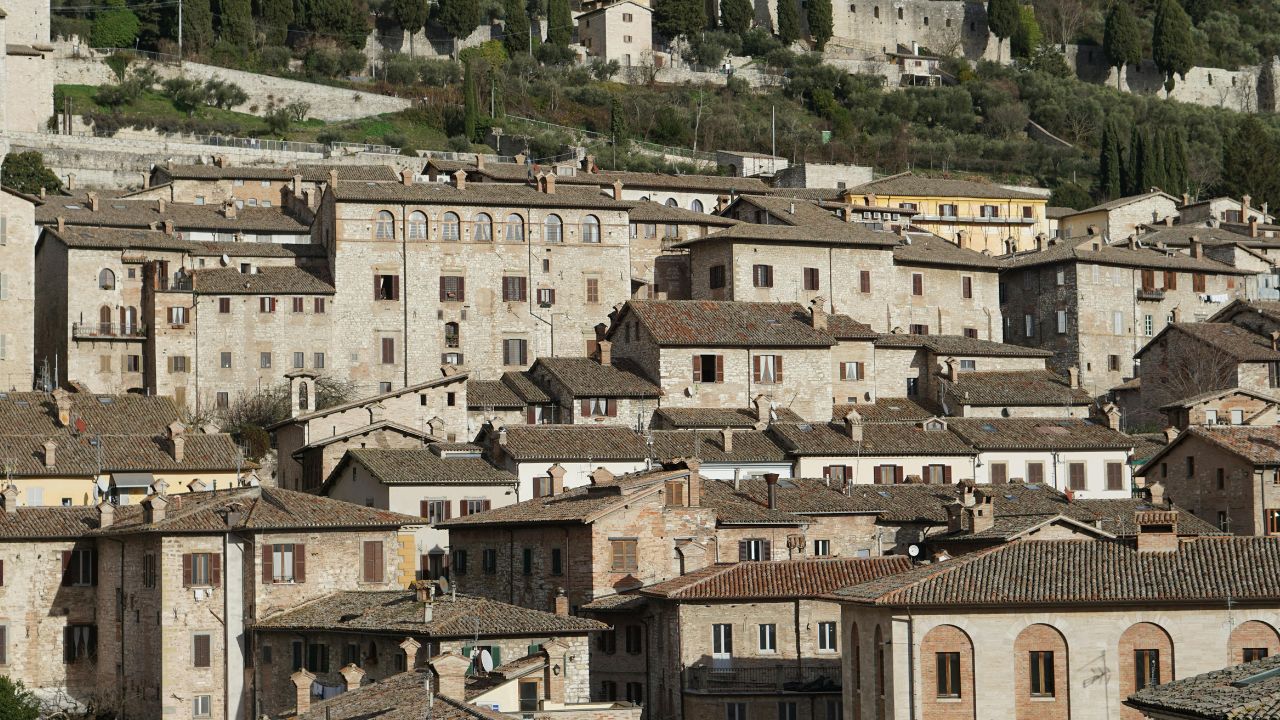
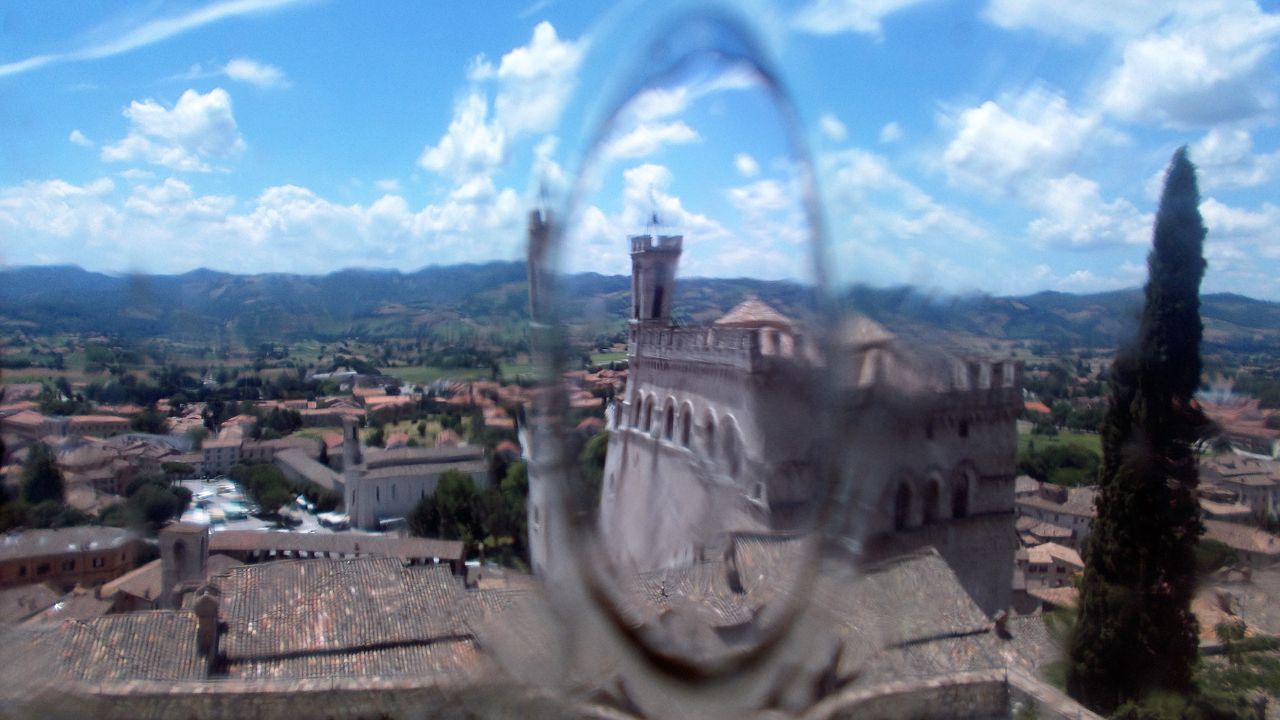
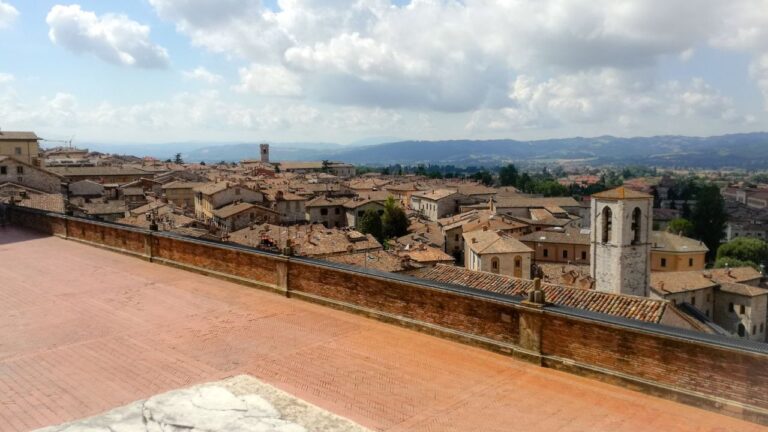
The square is dominated by the majestic Palazzo dei Consoli, a symbol of the city’s civic power in the Middle Ages. From here, the view opens onto a panorama of stone rooftops and rolling Umbrian hills.
Ending the tour here places you in the vibrant heart of city life, where civic history and religious tradition have been intertwined for centuries.
A Path Between History and Legend
The Franciscan itinerary of Gubbio reveals a lesser-known but fundamental chapter of Saint Francis's life. In these streets, one can glimpse the early steps of a journey that would change the spiritual history of Europe.
Through its churches, medieval tales, and monumental squares, Gubbio offers visitors a fascinating voyage into Franciscan memory, where the message of peace and fraternity continues to speak with surprising relevance today.
Book with Centro Guide Umbria