Franciscan Itinerary Beyond Assisi
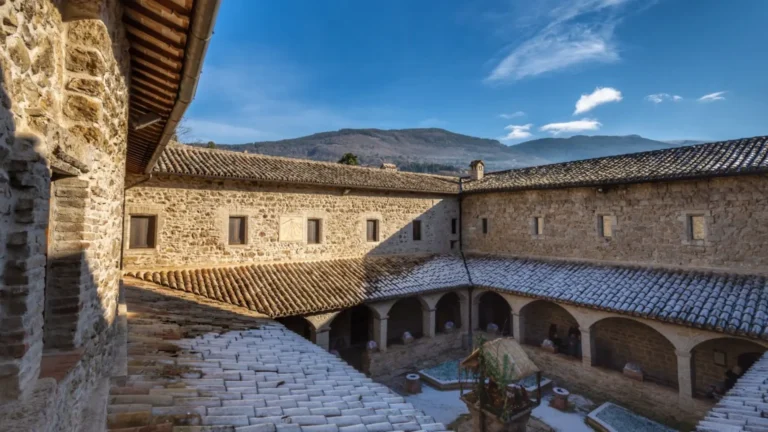
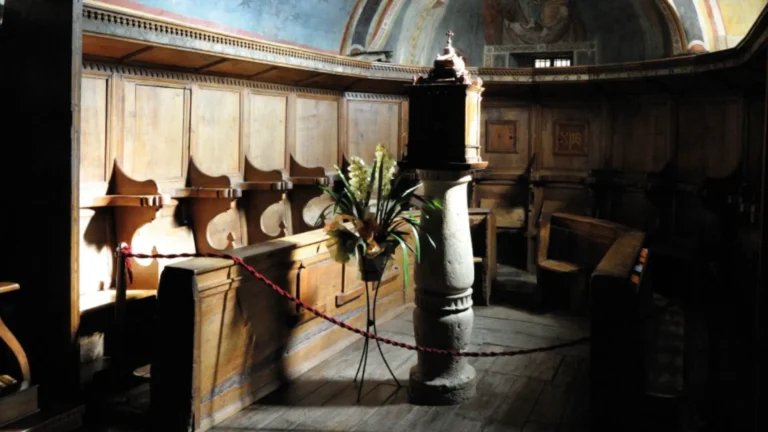
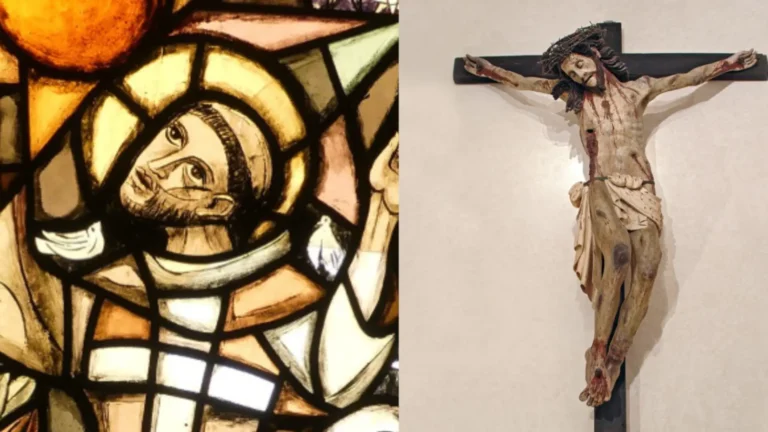
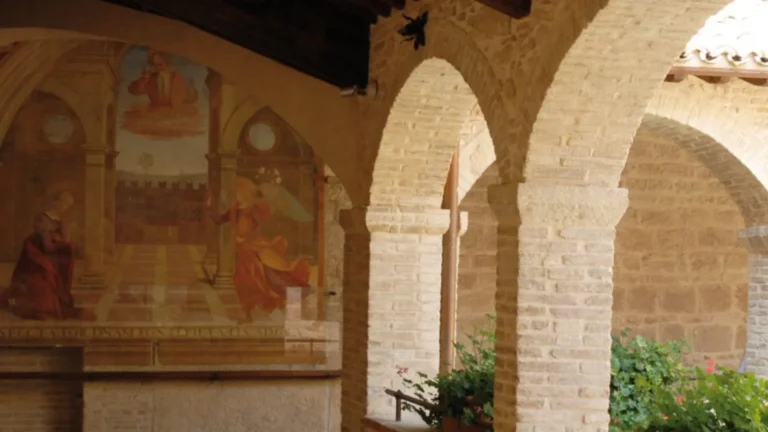
Outside the medieval walls of Assisi stretches a landscape of olive groves, woodlands, and paths that reveal another dimension of Saint Francis’s history. It is here that the Saint lived some of the most significant moments of his spiritual experience, among hermitages, small sanctuaries, and places of fraternity.
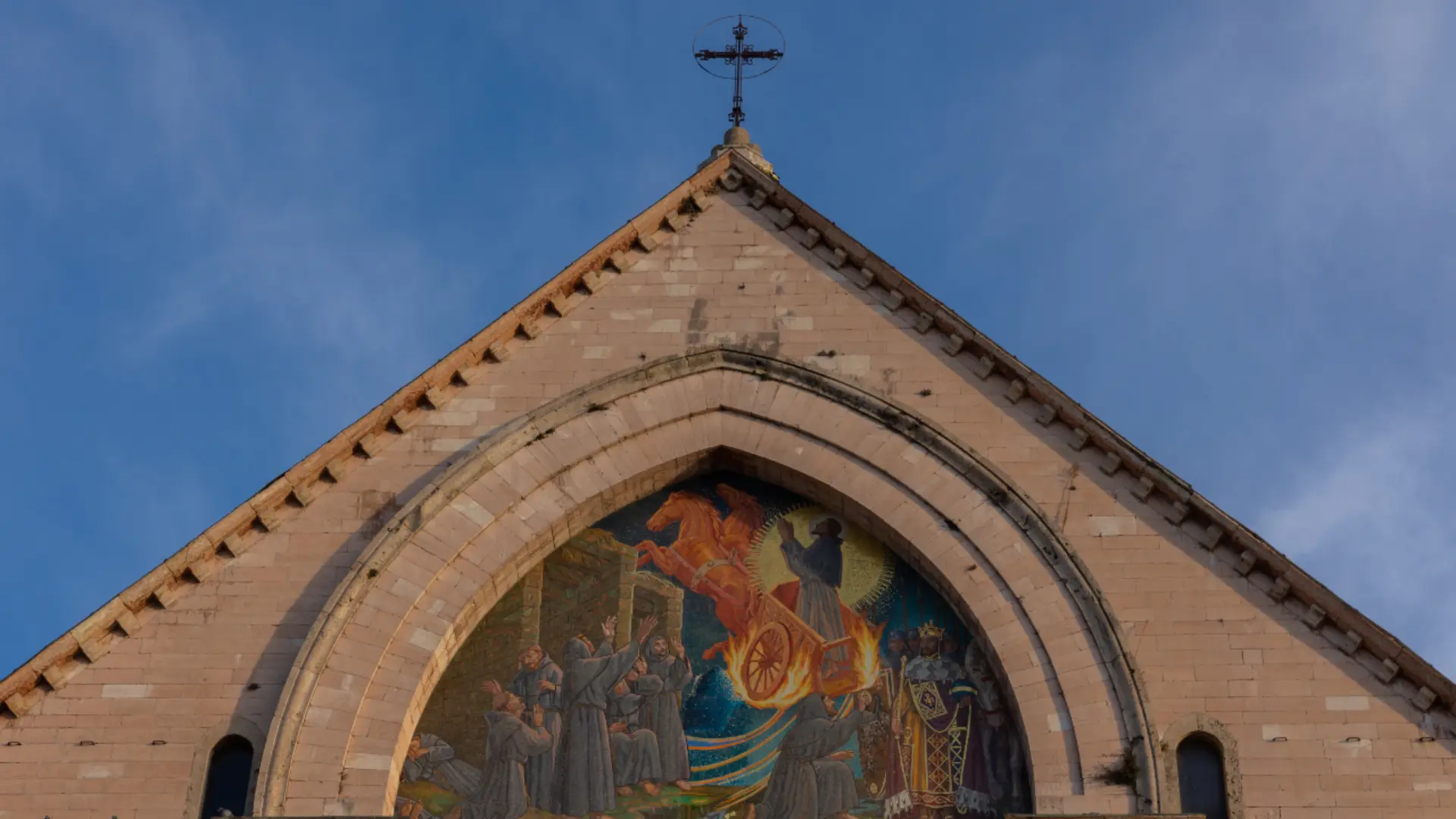
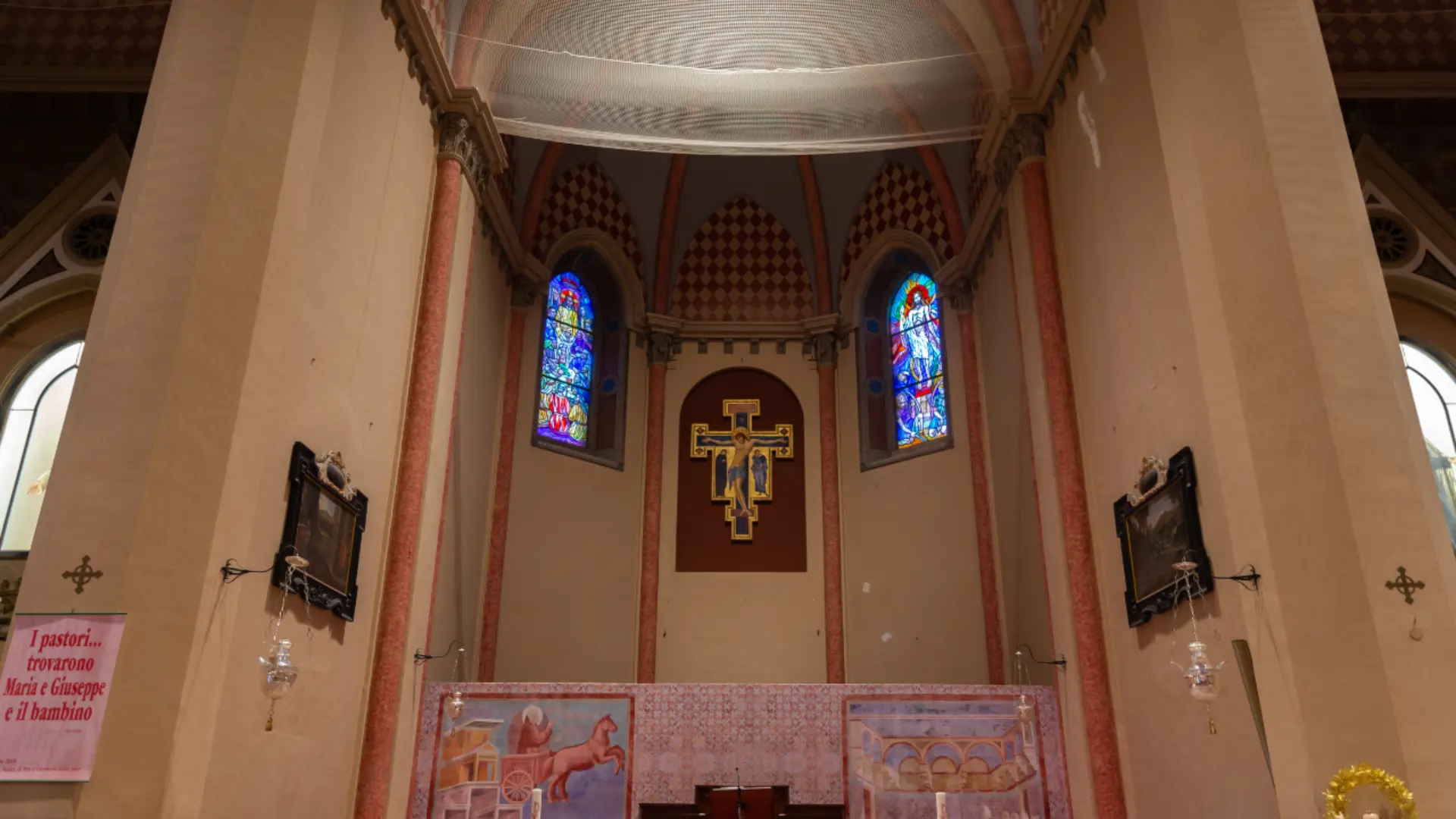
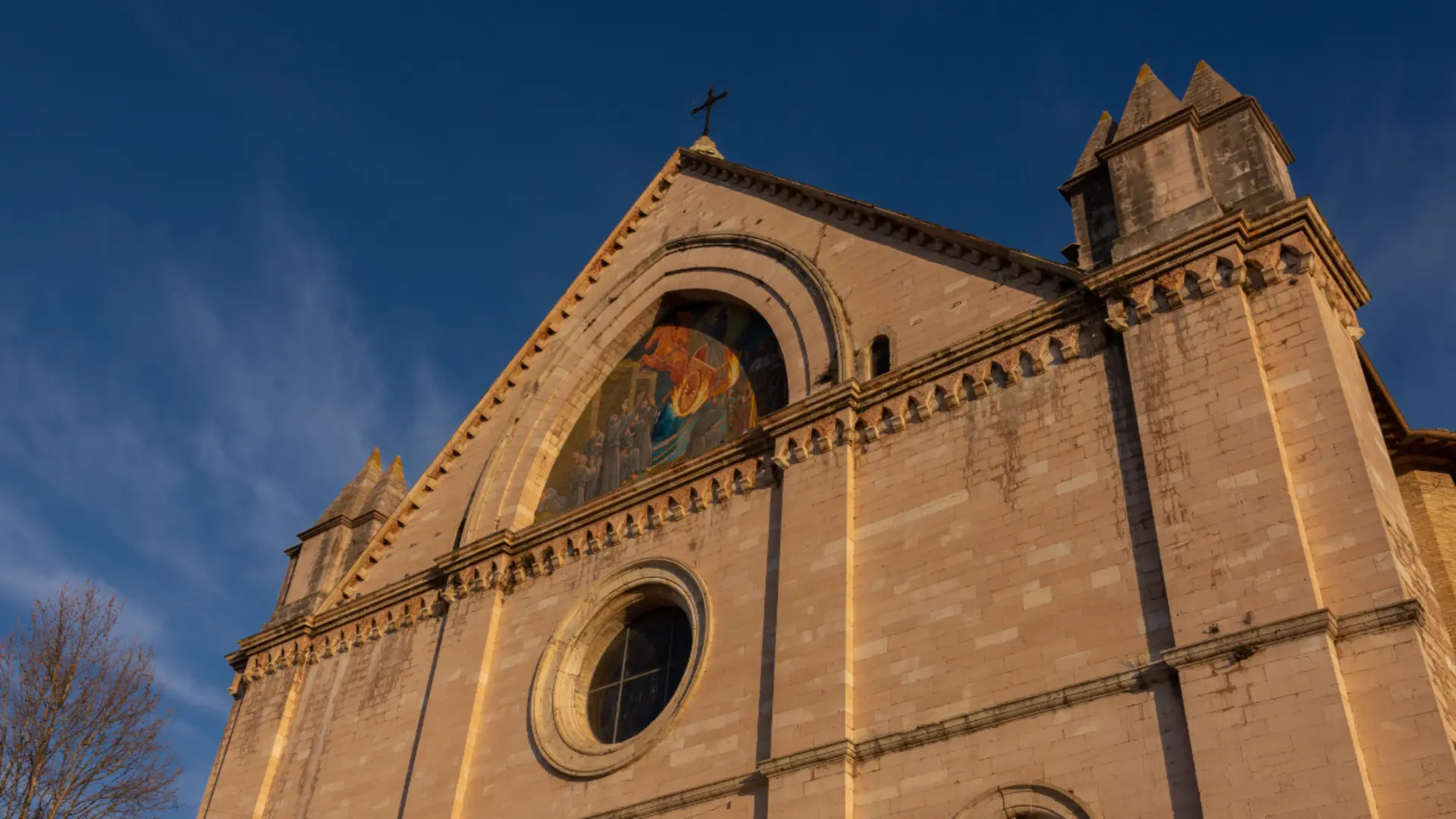
This itinerary, ideal for a full day, visits four fundamental stages of Franciscanism: Rivotorto, Santa Maria degli Angeli, San Damiano, and the Eremo delle Carceri. It is a path that unites spirituality, nature, and history, allowing visitors to discover the most contemplative side of the valley at the foot of Mount Subasio.
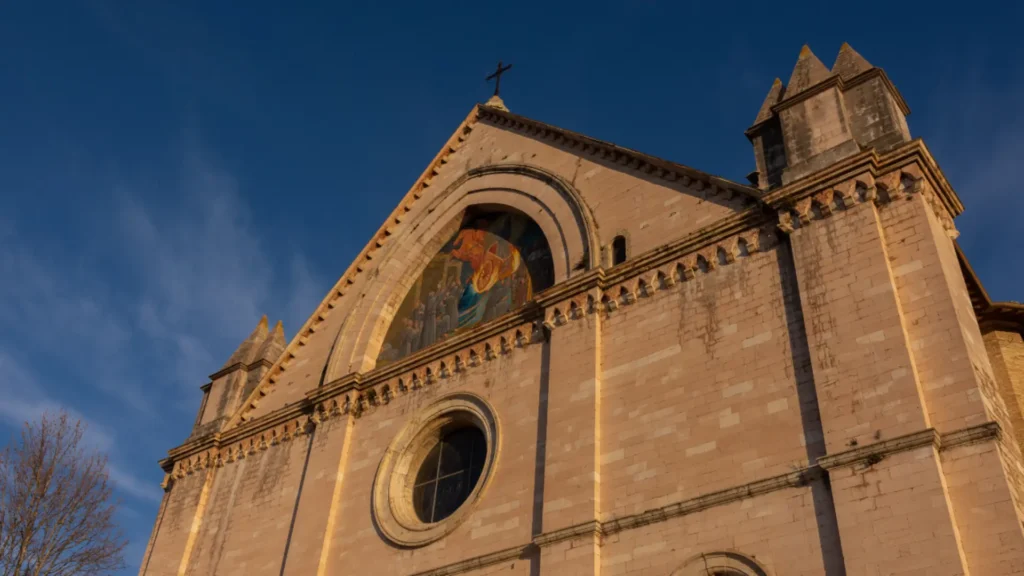
1. Rivotorto: The First Franciscan Fraternity
The first stop is the Sanctuary of Rivotorto, a site linked to the very early years of the Franciscan community.
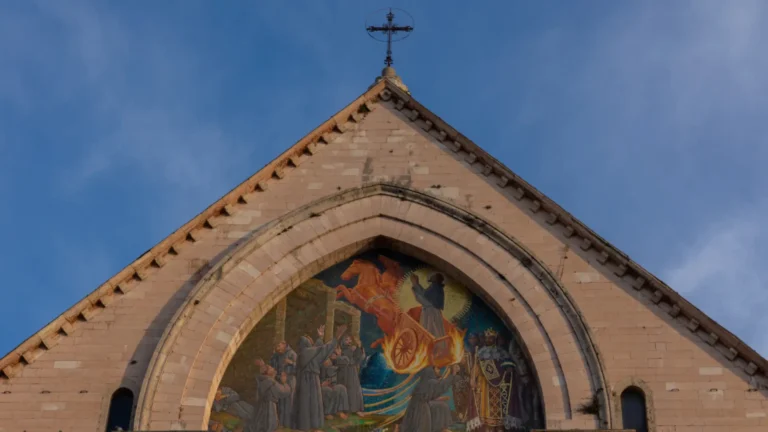
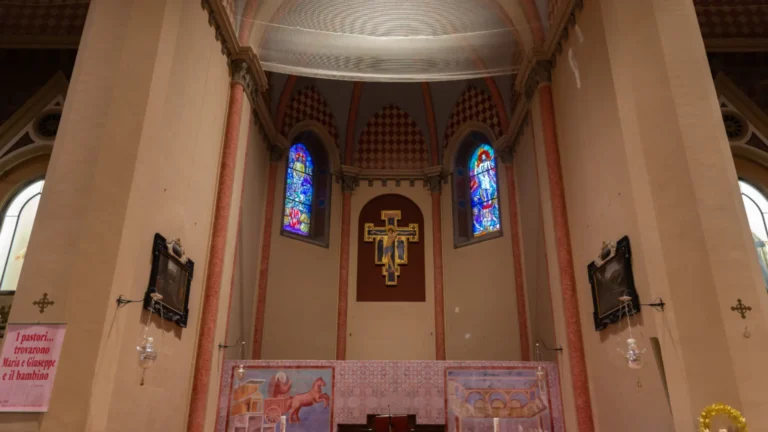
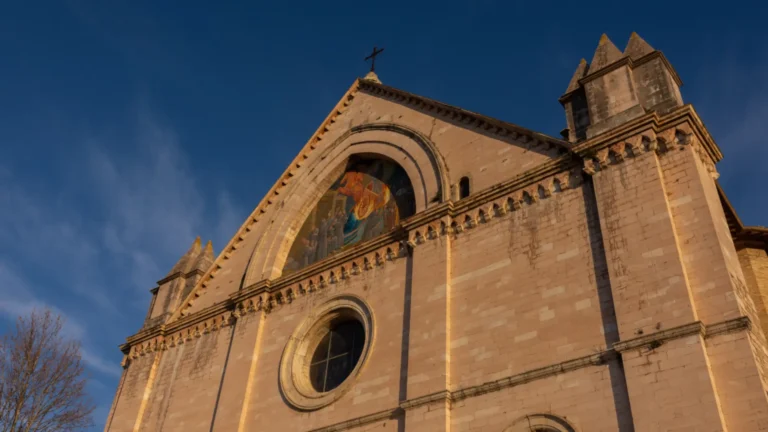
Here, Francis and his companions found refuge in a simple stone hut, known as the Sacred Hovel (Sacro Tugurio). In this humble space, the first fraternity of the Friars Minor was born, sharing a life of work, prayer, and service.
Today, the hovel is preserved inside a large 20th-century church, which protects and showcases this symbolic site of the simplicity of Franciscan origins.
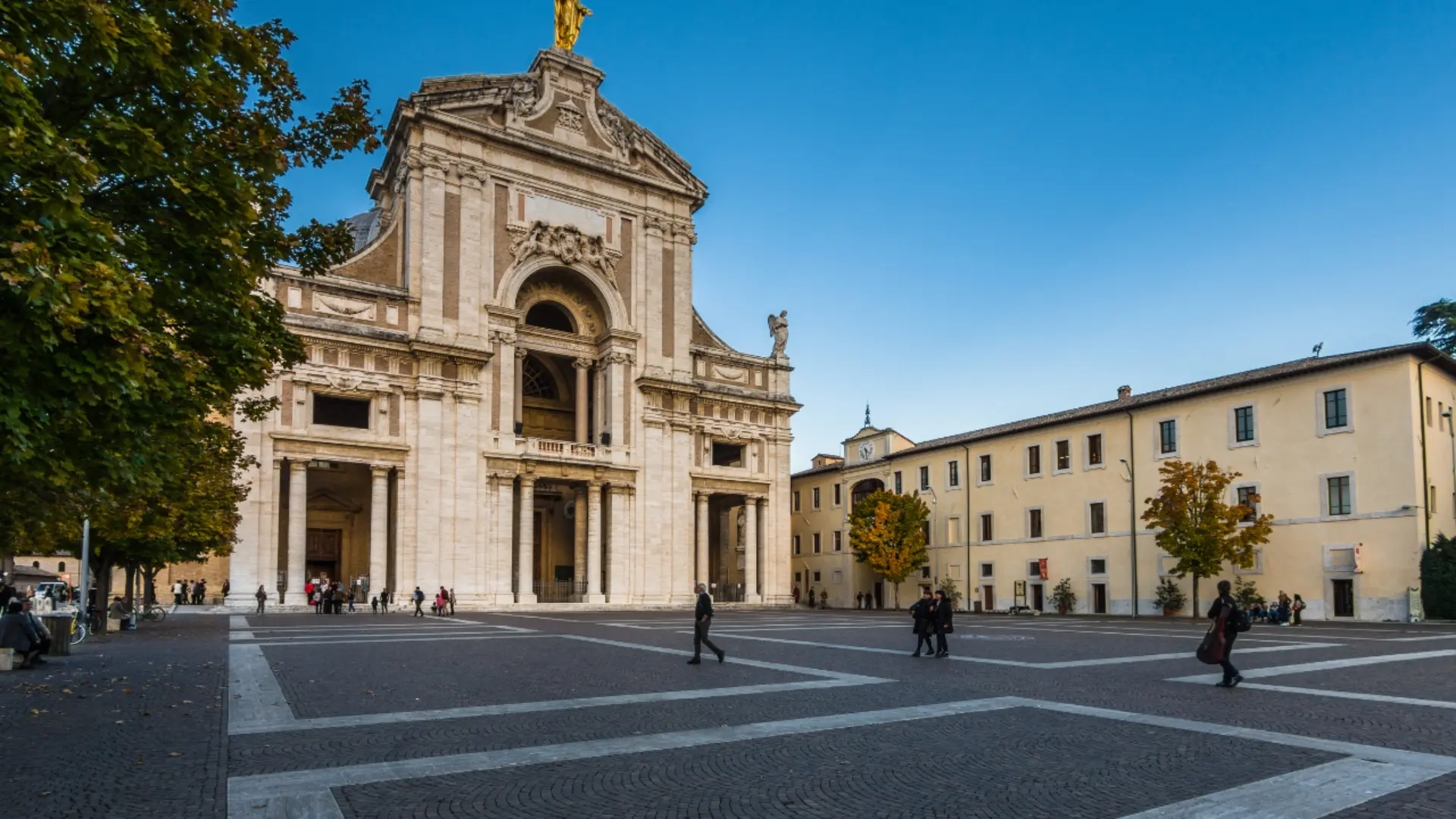
2. Santa Maria degli Angeli and the Porziuncola
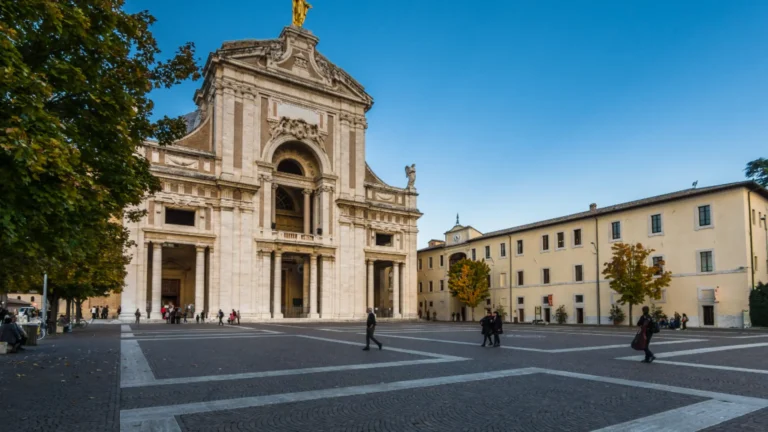
Continuing across the plain, you reach the great Basilica of Santa Maria degli Angeli, one of the most important landmarks of Franciscan spirituality.
Inside the basilica lies the Porziuncola, a small chapel that Francis loved particularly. It was here that he clearly understood his mission and where the Order of Friars Minor was founded.
The Porziuncola is also the place where Francis welcomed Saint Clare and where, in 1226, he concluded his earthly journey. Even today, this simple and intimate space remains one of the most moving points of a visit to Assisi.
3. San Damiano: The Place of the Calling
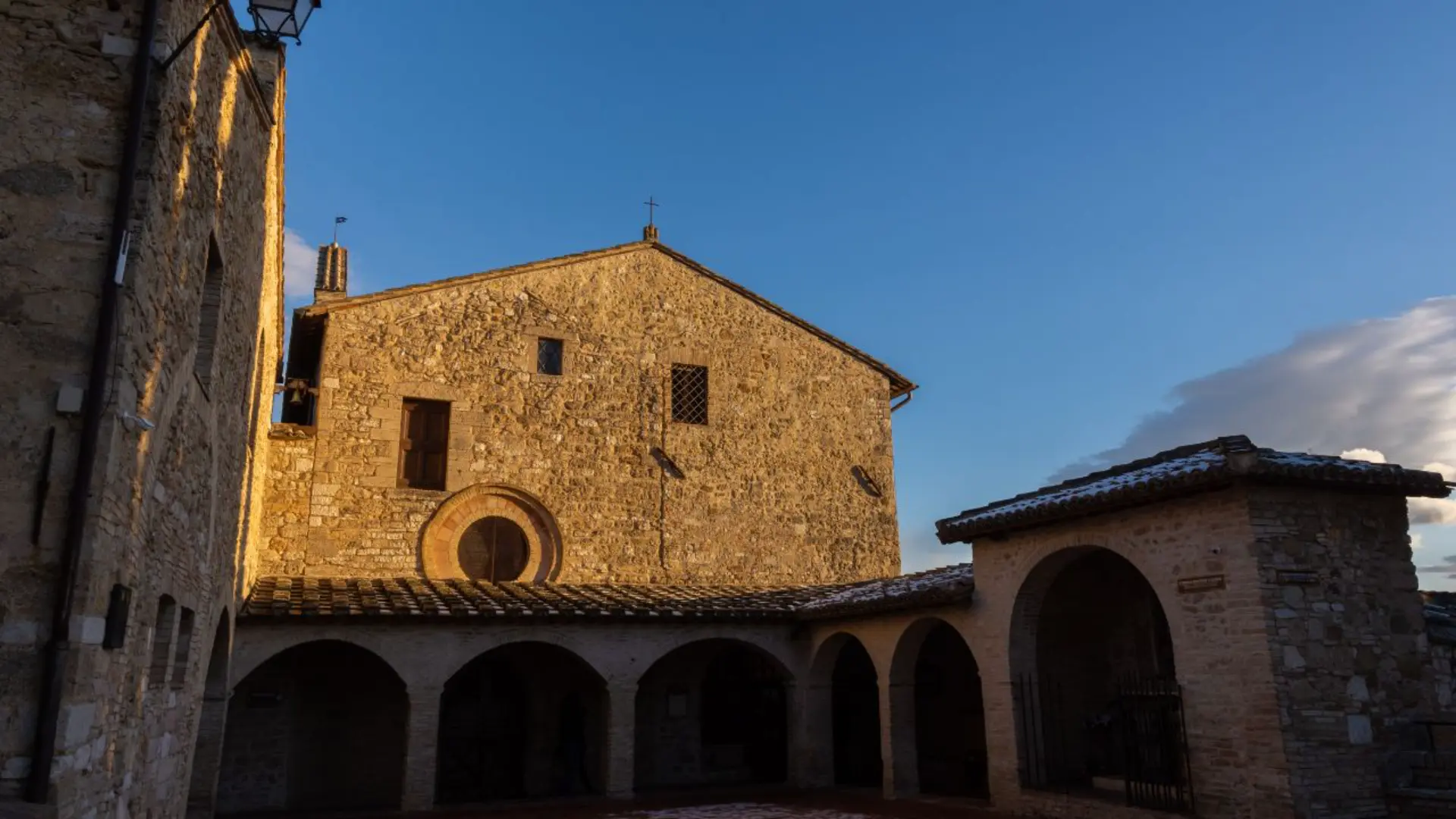
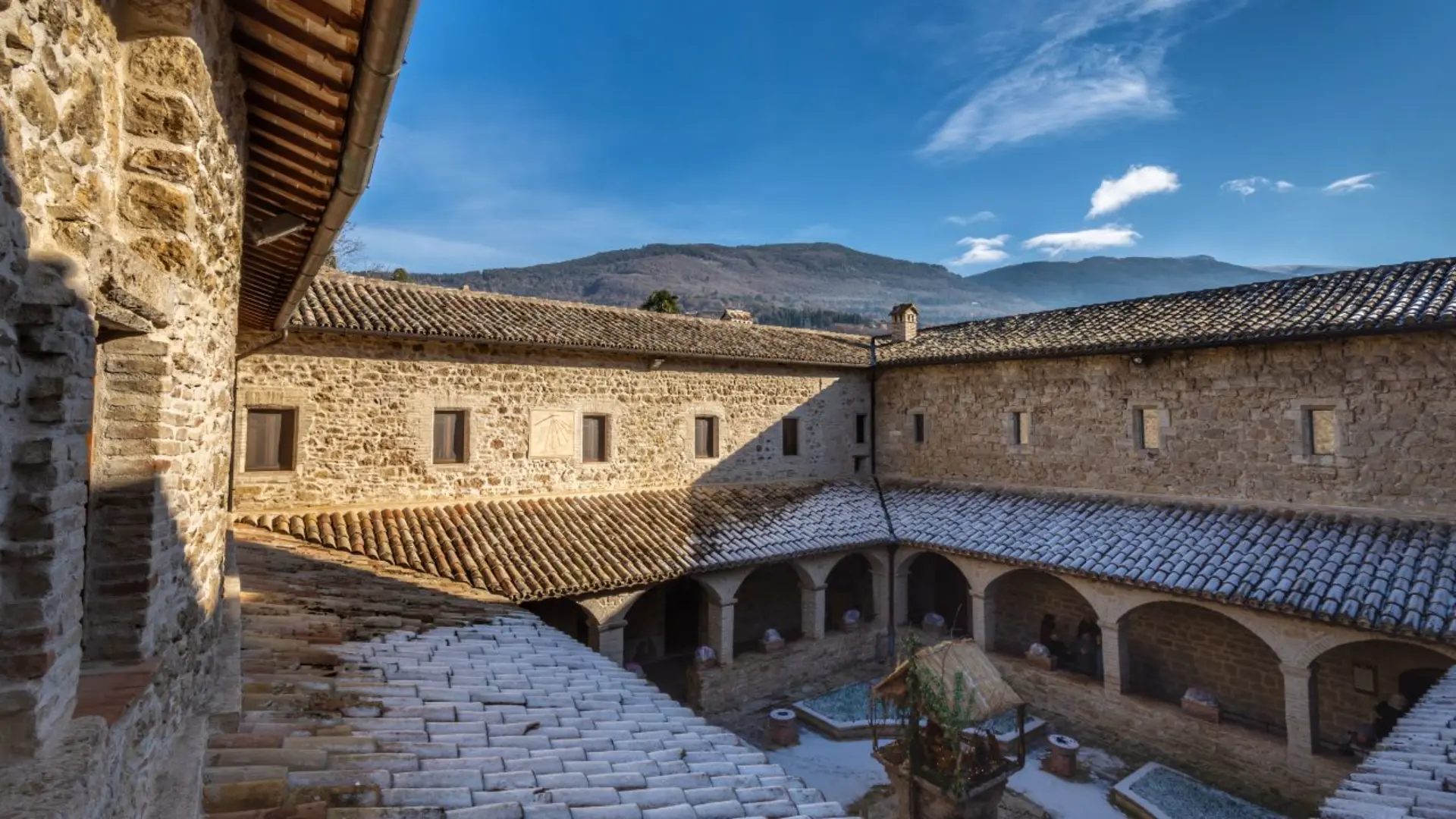
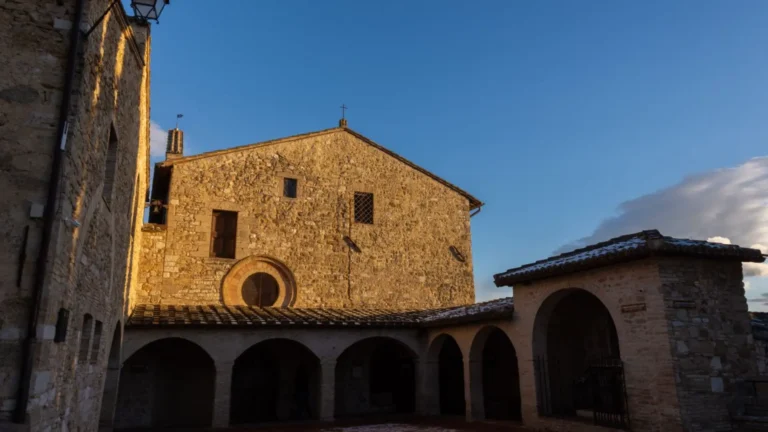
Ascending the hill at the foot of Mount Subasio, you reach San Damiano, one of the most evocative sites in the life of Francis.
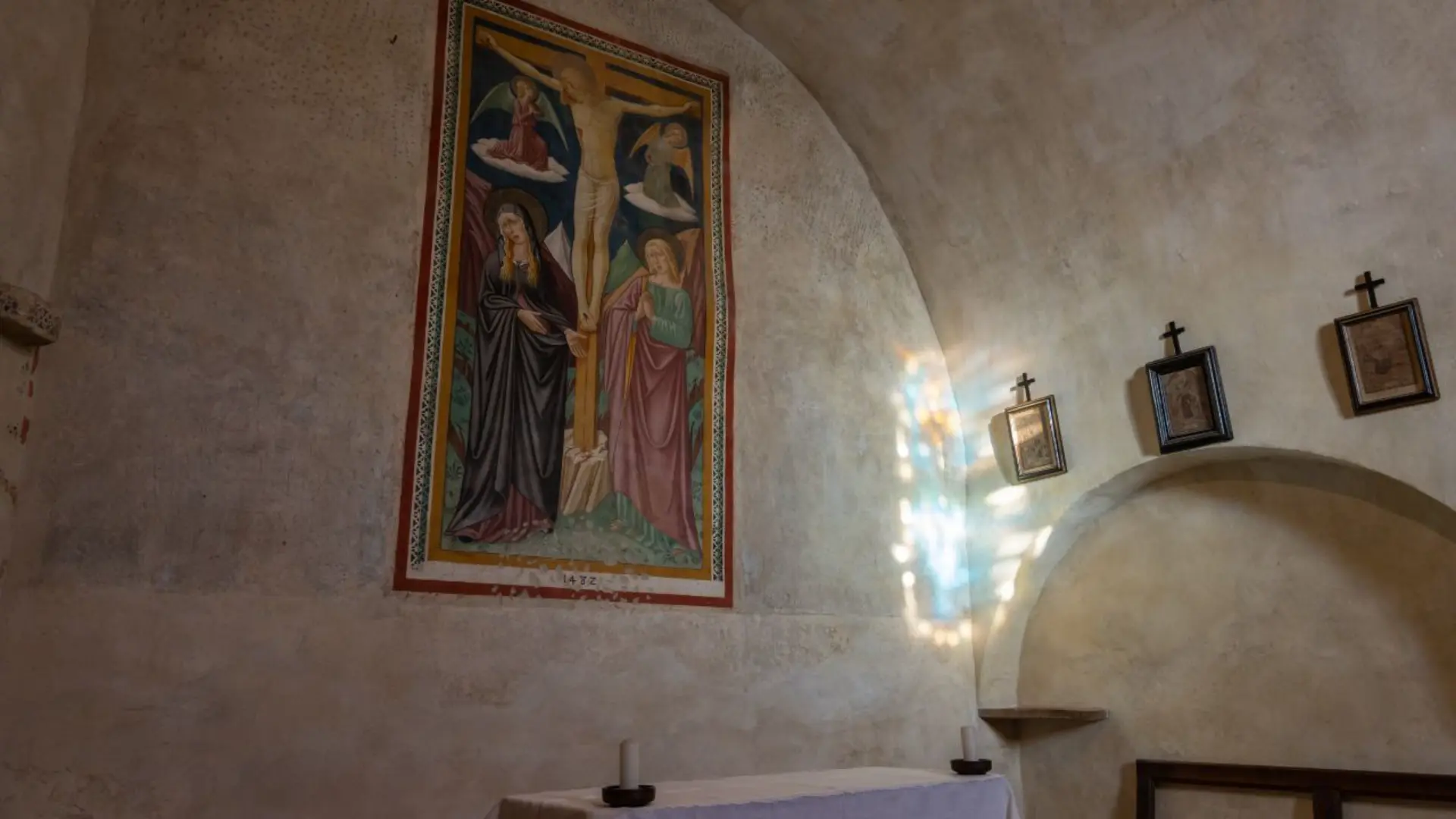
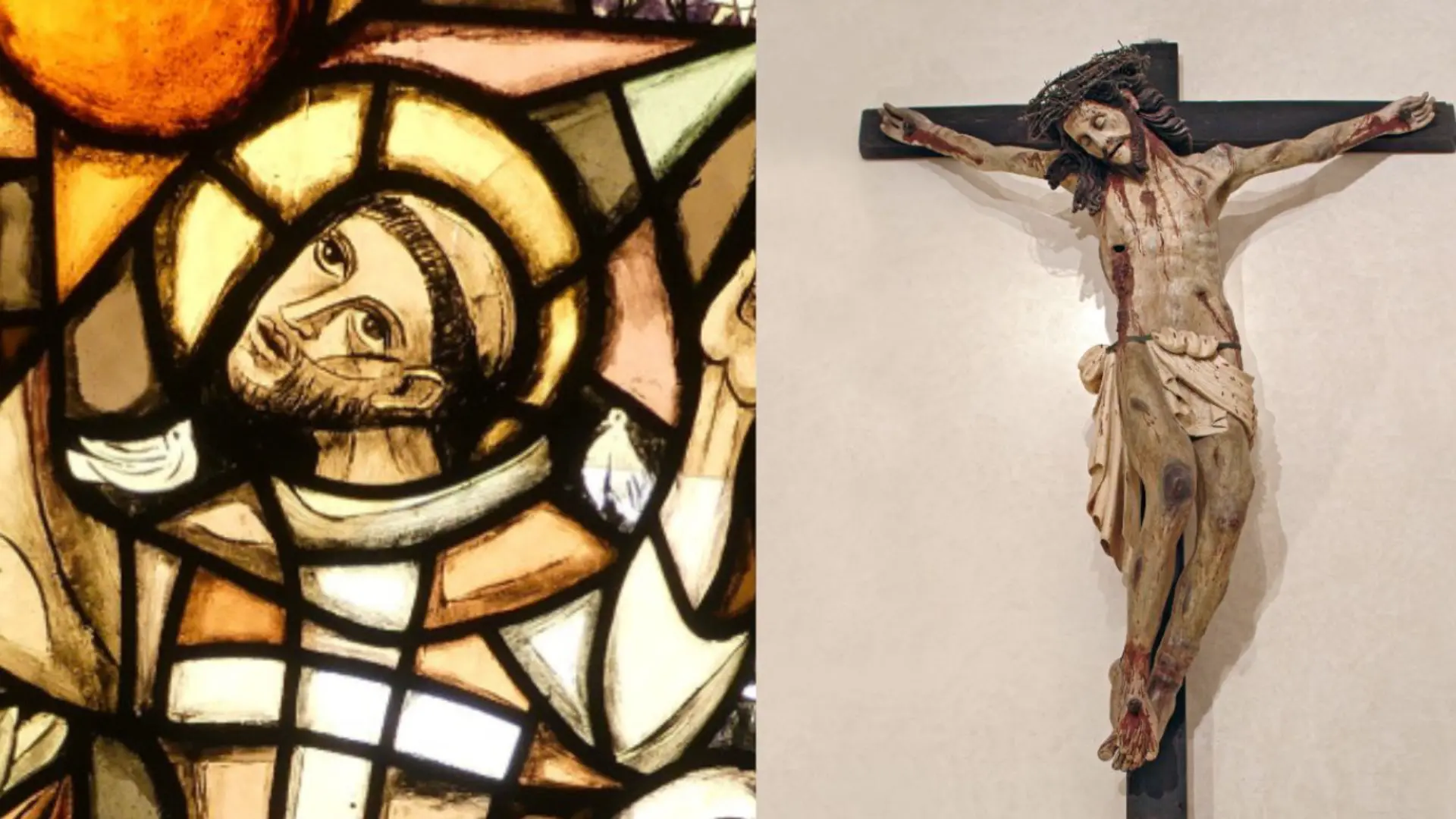
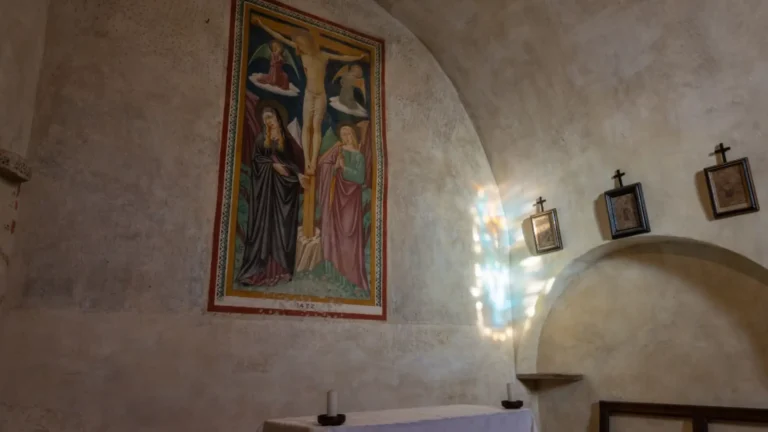
This small church, nestled among olive trees and fields, is tied to the episode that marked the beginning of his conversion. Before the crucifix preserved here, Francis heard the call to "repair my Church." That moment launched the journey that would lead to the birth of the Franciscan movement.
San Damiano later became the first home of the Poor Clares led by Saint Clare and still preserves an atmosphere of profound silence and recollection.
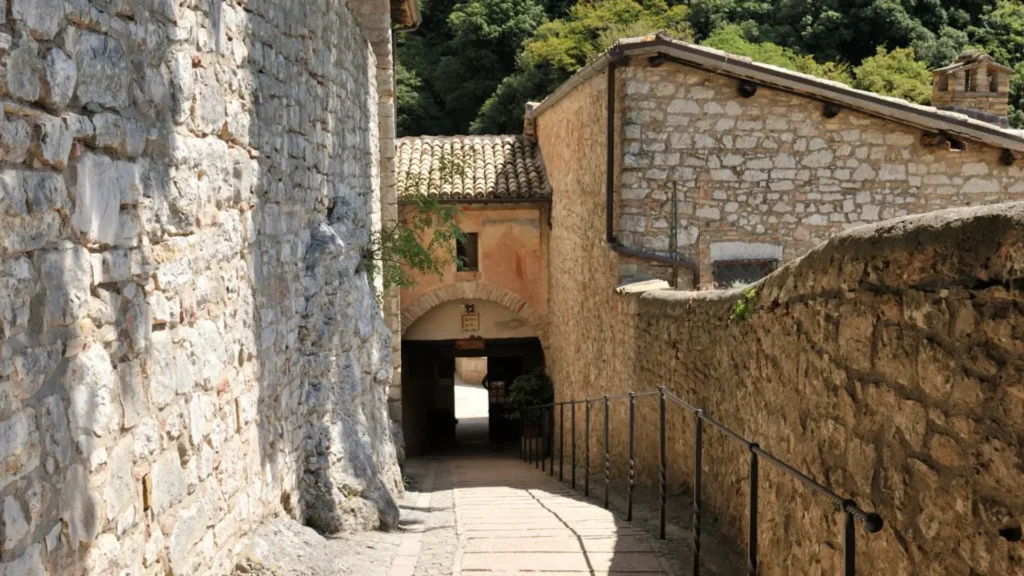
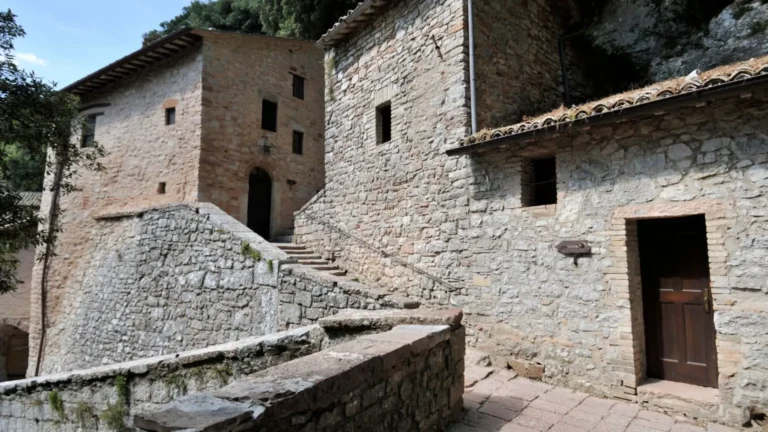
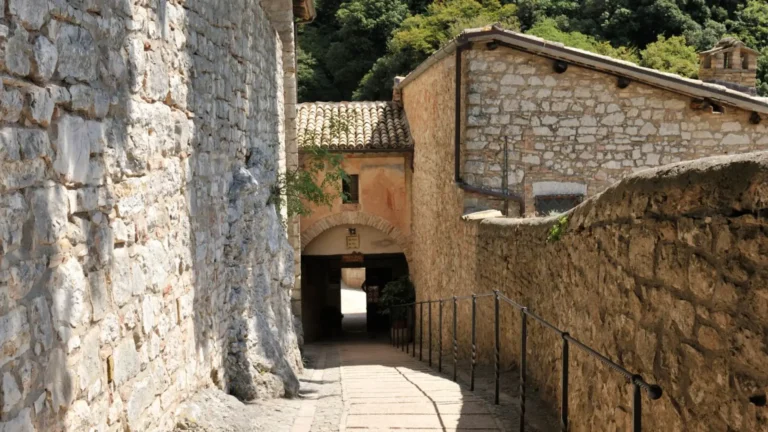
4. The Eremo delle Carceri: Between Woods and Contemplation
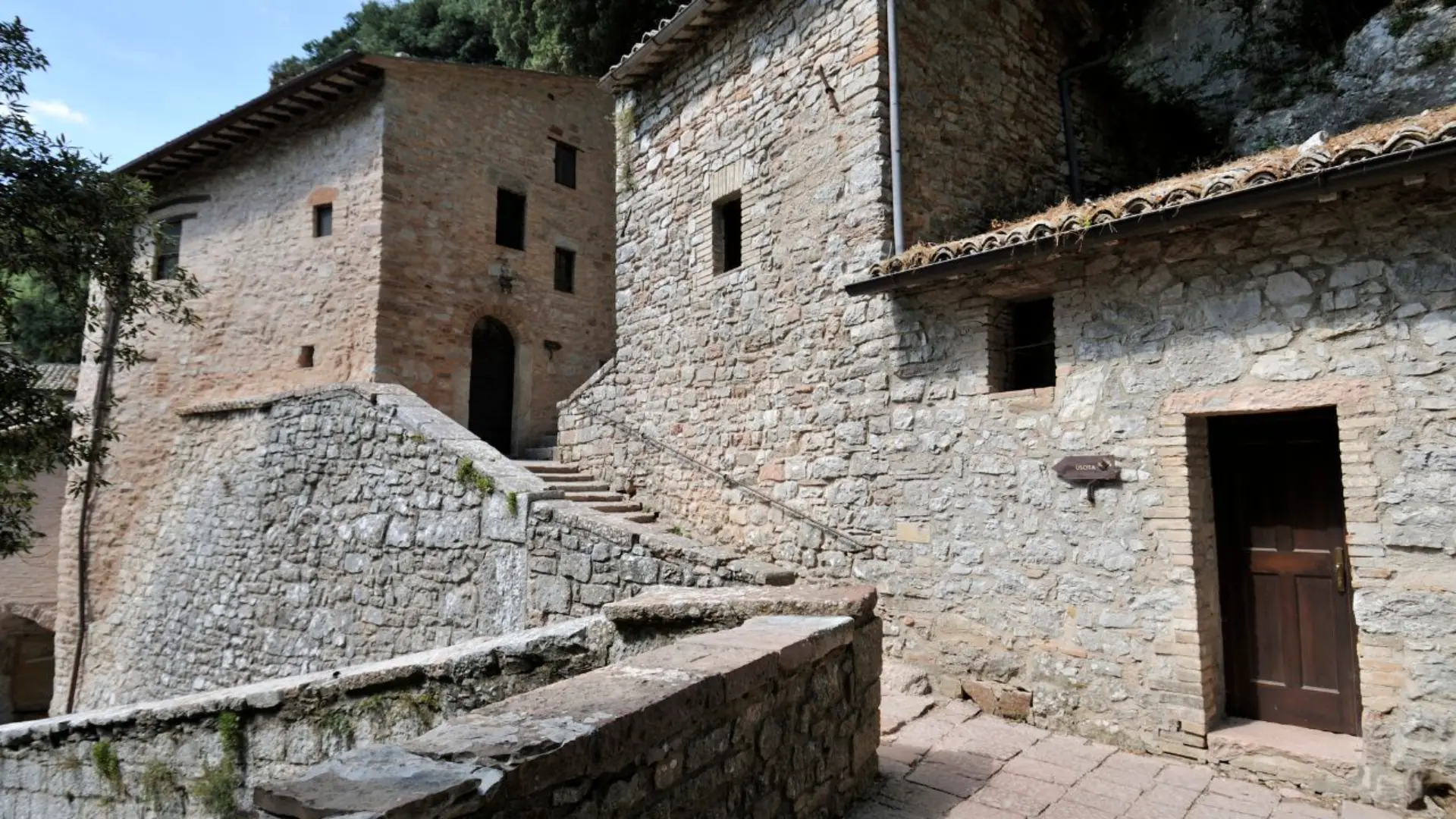
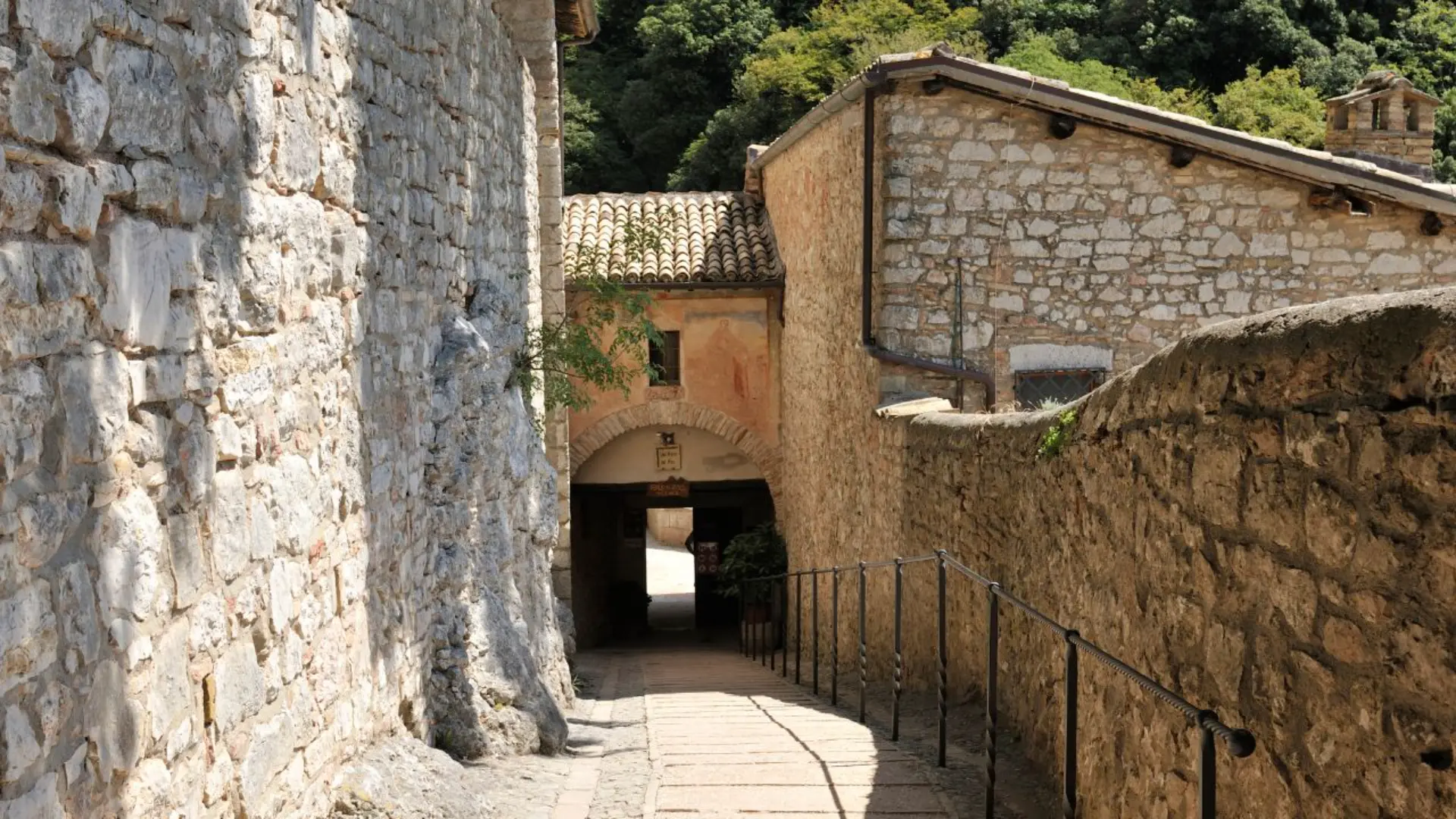
L’ultima tappa dell’itinerario porta più in alto, sulle pendici del Monte Subasio, dove si trova l’Eremo delle Carceri.
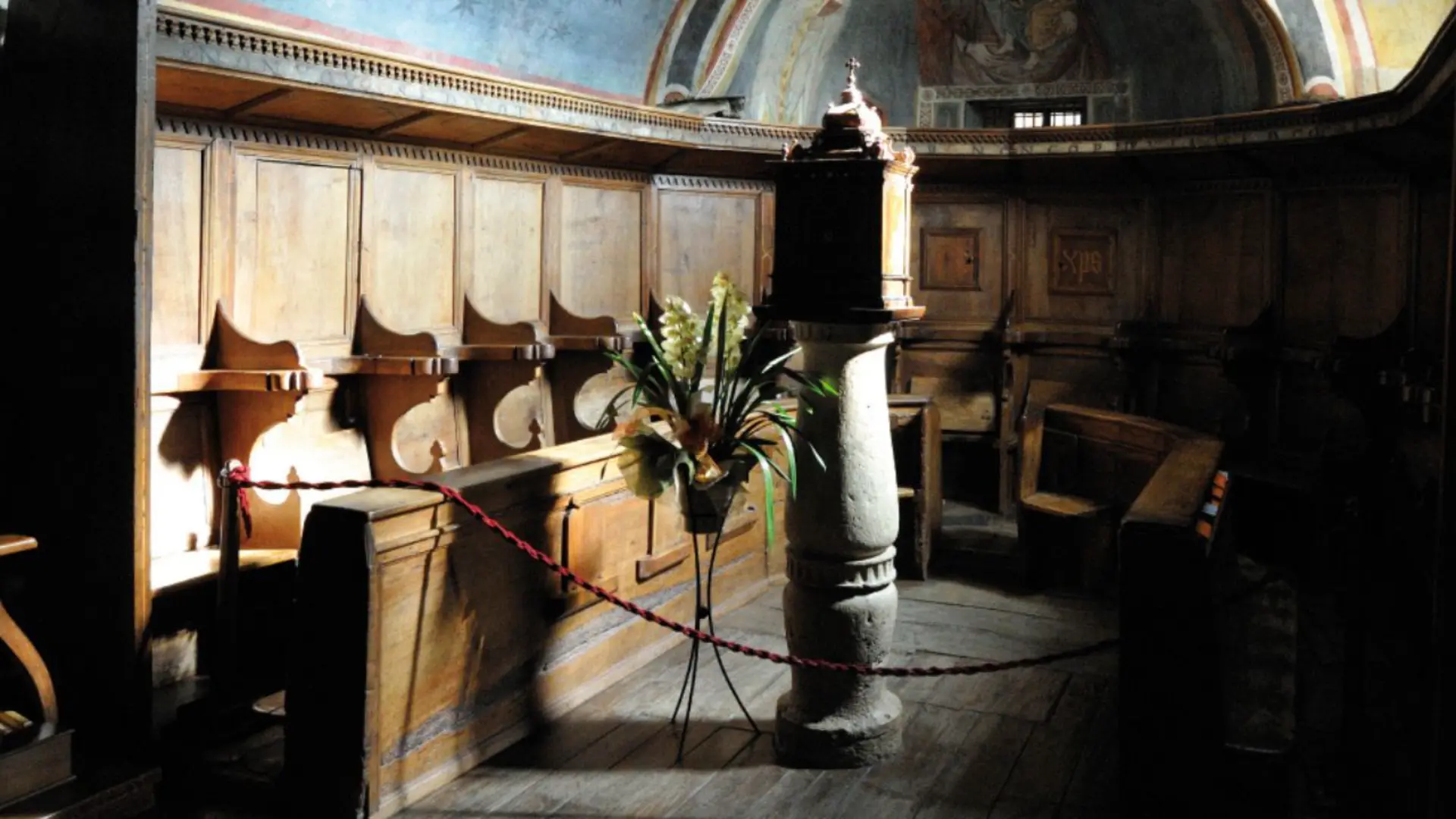
Circondato da un fitto bosco di lecci, questo eremo era il luogo in cui Francesco e i suoi compagni si ritiravano per la preghiera e la meditazione. Il nome “Carceri” deriva dalle piccole grotte naturali dove i frati si isolavano per vivere momenti di solitudine spirituale.
To this day, the hermitage maintains a deeply contemplative dimension. The silence of the woods, the sound of water, and the trails among the trees make this one of the most intense locations of the entire Franciscan path.
A Day Between Nature and Spirituality
This itinerary outside the walls of Assisi allows you to discover some of the most authentic places in Franciscan history. From the simplicity of the Rivotorto hovel to the grand basilica of the Porziuncola, from the silence of San Damiano to the forests of the Eremo delle Carceri, each stage tells a different chapter of Francis's life.
It is a journey that blends art, landscape, and spirituality—ideal for those wishing to know Assisi not just as a medieval city, but as a place of pilgrimage and an encounter with one of the brightest figures in European history.
Book with Centro Guide Umbria